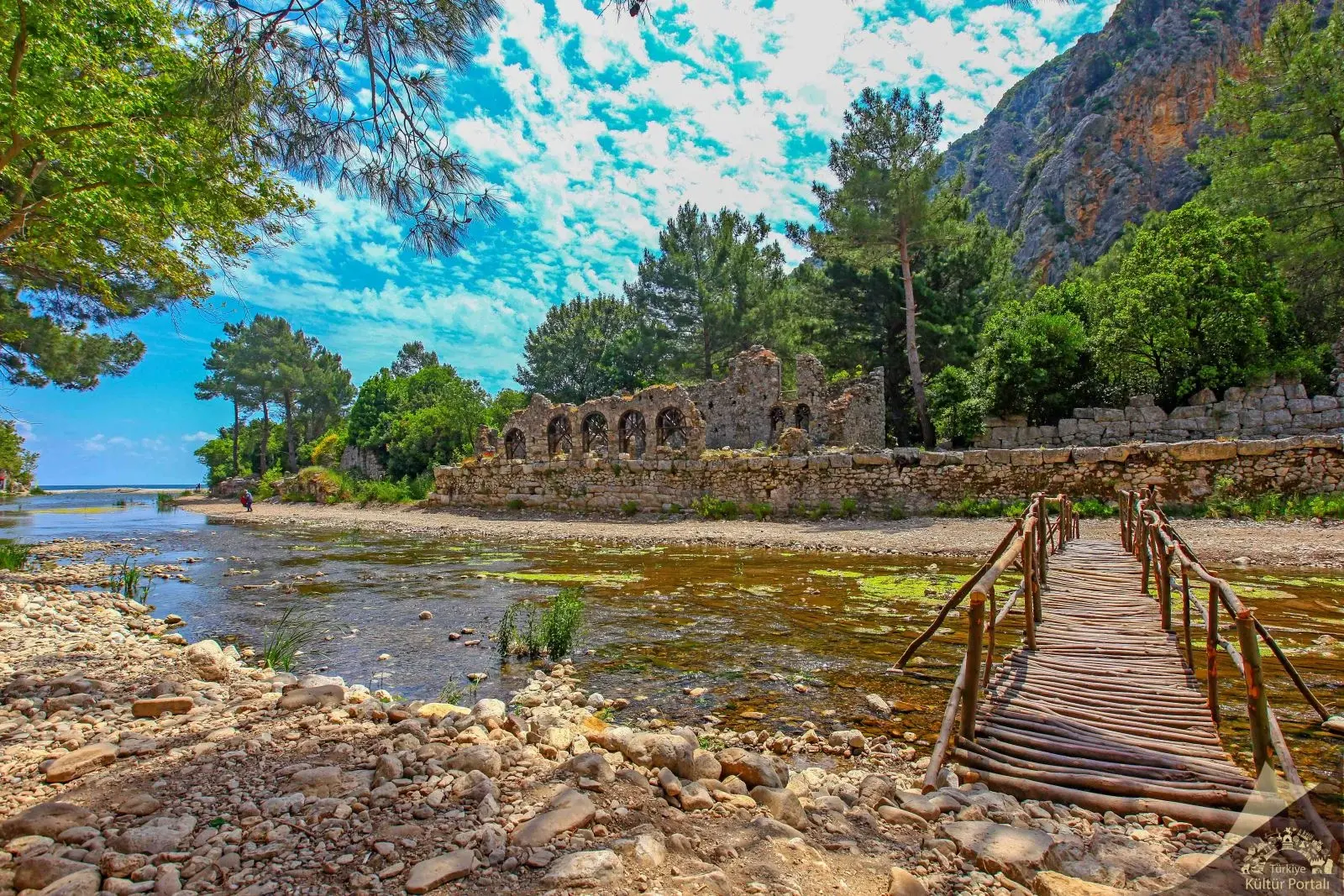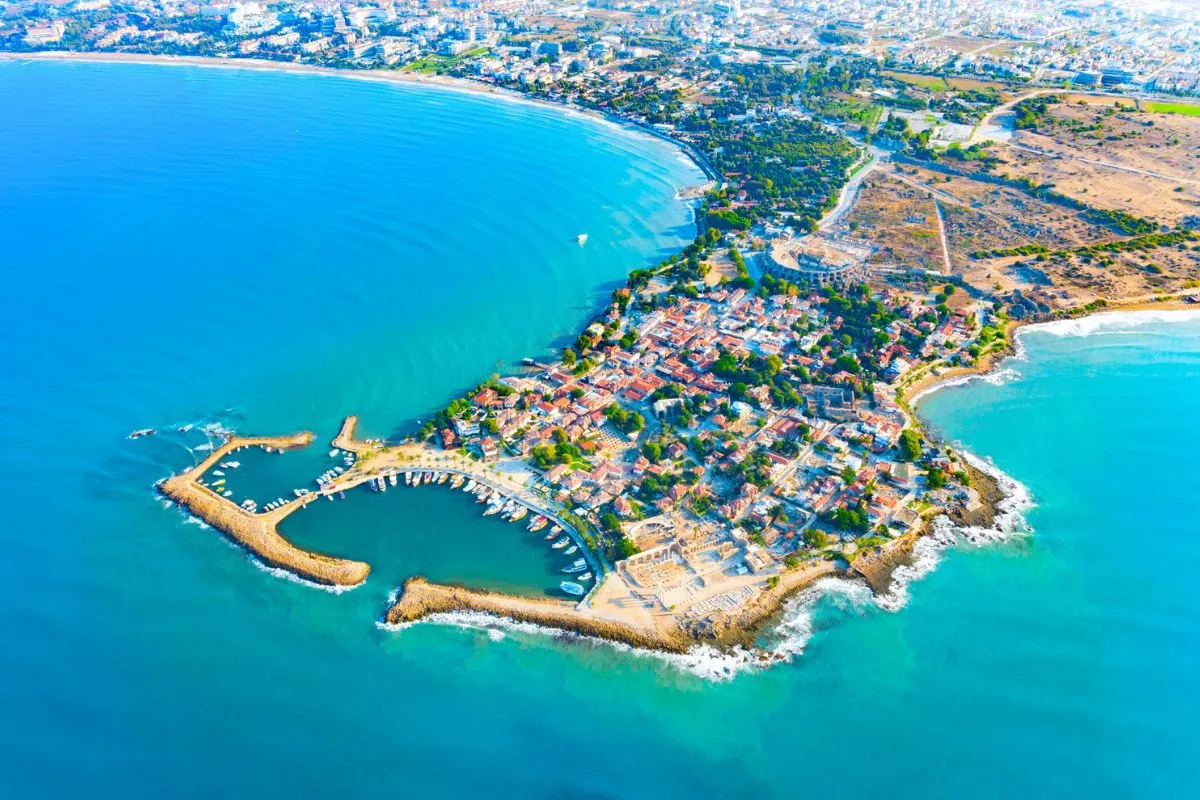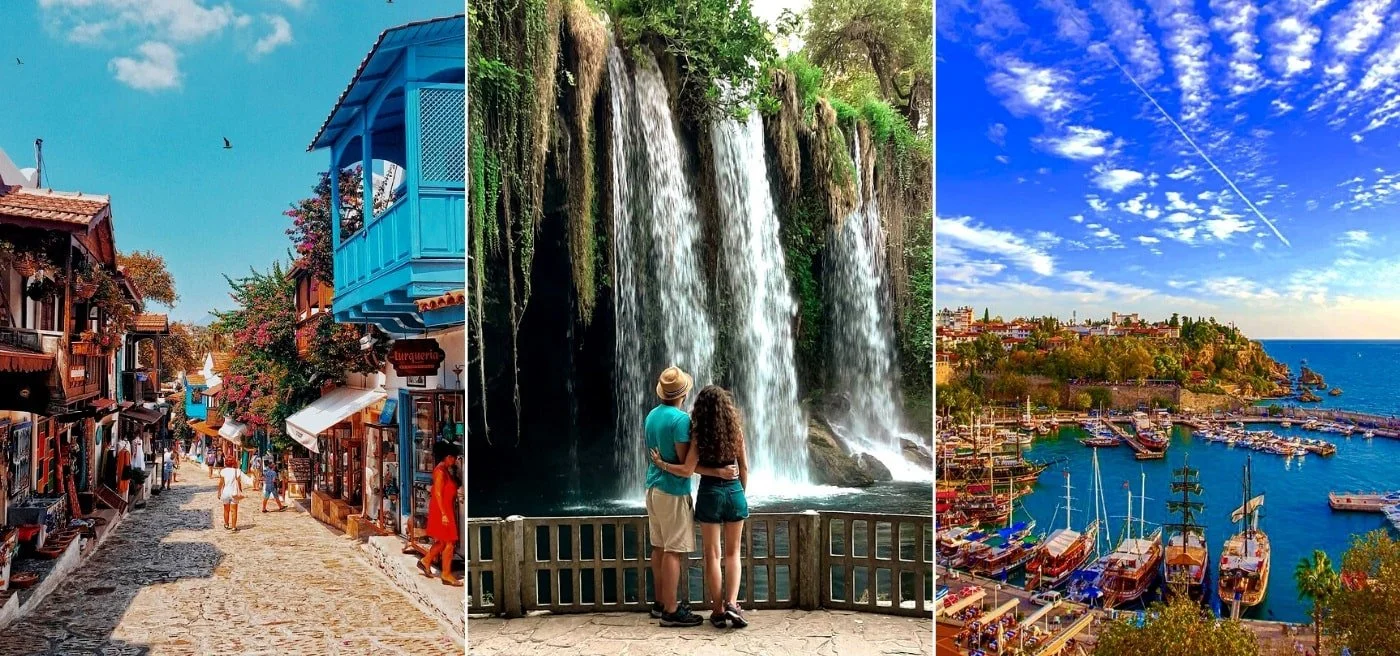
Antalya sits where the Taurus Mountains meet the Mediterranean — a city with a 2,000-year-old Roman harbour, one of Turkey’s finest archaeological museums, and a coastline that stretches for kilometres in both directions. This guide covers everything you can do within the city itself: the free, the unmissable, the local, and the practical.
We’re a local tour agency based in Antalya. We run tours here every day. The guide below is what we actually tell our guests.
Kaleiçi — Antalya’s Ancient Old Town
Kaleiçi (pronounced kah-lay-ee-chee) is the ancient walled district at the heart of Antalya. Walk through two millennia of history in under two hours.
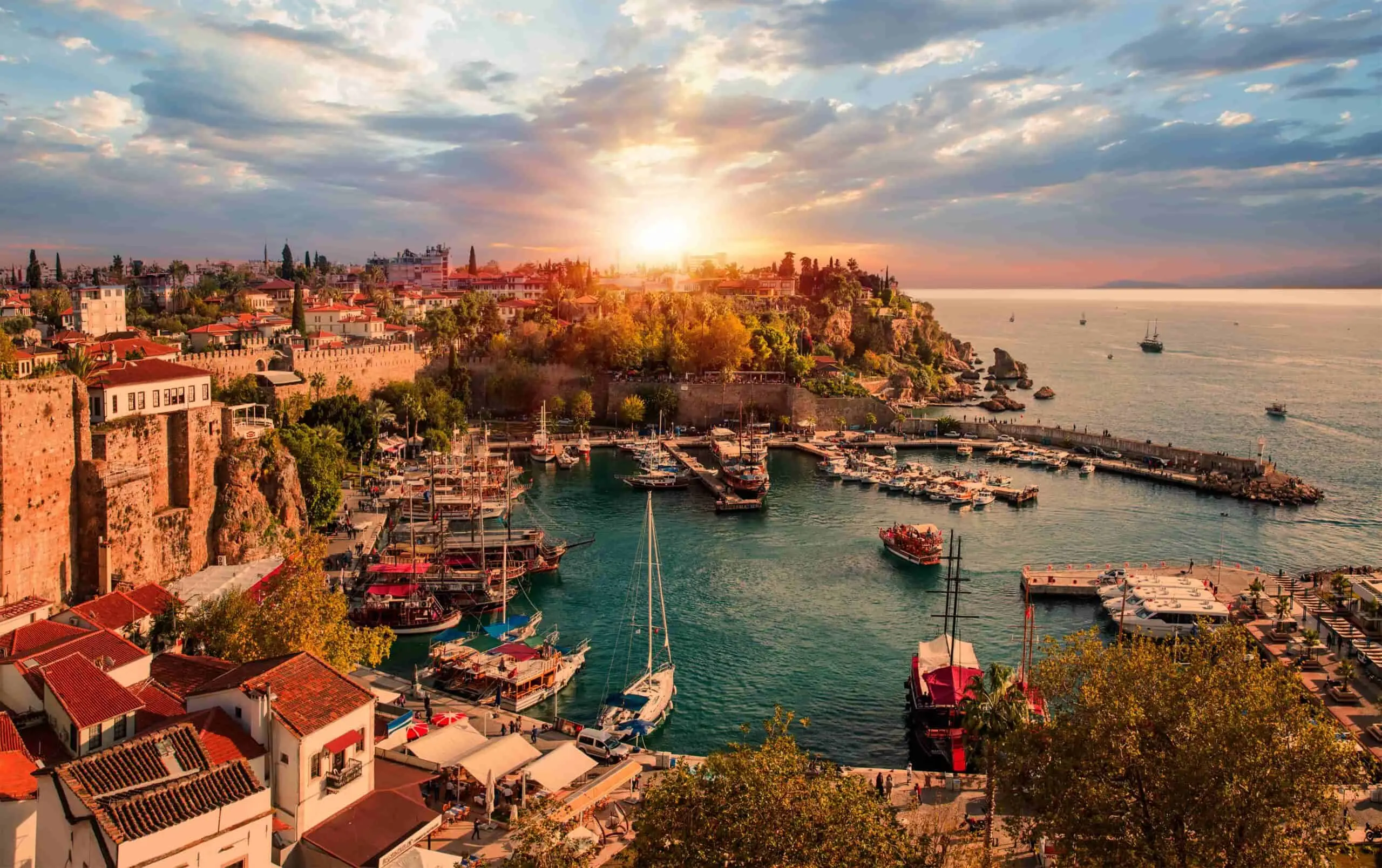
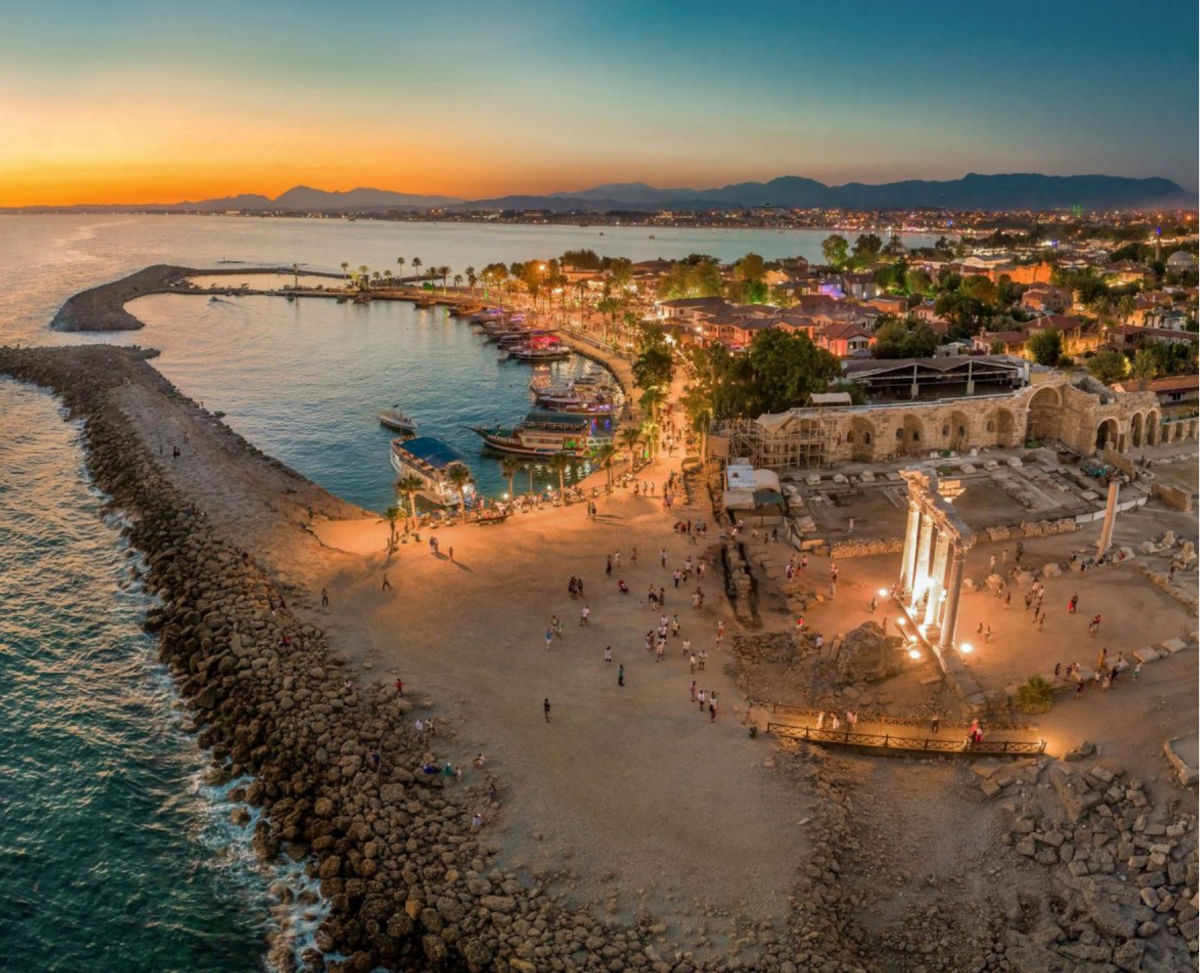
The district is built around a Roman harbour still used as a small marina today. Above it, 3rd-century Roman walls contain a tightly packed grid of Ottoman-era mansions, Byzantine churches converted into mosques, and a Hellenistic tower that has overlooked the bay since the 2nd century BC.
What to see in Kaleiçi:
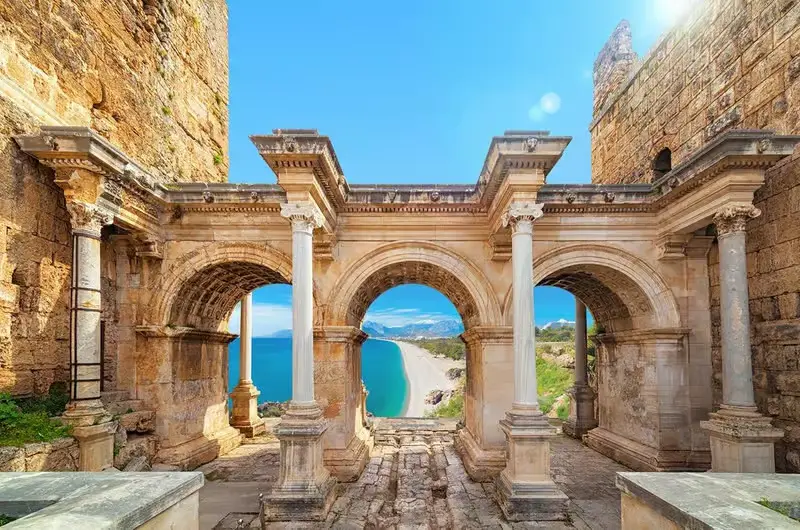
Hadrian’s Gate — The most photographed landmark in Antalya. Built in 130 AD to mark Emperor Hadrian’s visit to the city. Three arched marble columns, still standing as they were built. Located on the eastern wall of the old town. Free entry.
The Yivli Minare — The fluted minaret that appears on every Antalya postcard. Built in the 13th century, it rises above the skyline and is visible from most of the old town. The surrounding complex includes a mosque and a medrese. Free entry.
The Roman Harbour — Walk down to the water’s edge. The harbour has been in continuous use since Roman times. Today it holds a mix of small fishing boats and tourist vessels. Sit at one of the waterfront cafes and look back up at the walls — this is one of the most atmospheric spots in the city.
Hidirlik Tower — A circular Roman tower on the southwestern edge of Kaleiçi, believed to be a lighthouse or mausoleum, dating from the 2nd century AD. The surrounding garden is open to the public and offers one of the best views over the bay.
Entry: Free throughout the old town Best time: Early morning (before 10:00) or late afternoon (after 17:00) to avoid crowds Duration: Allow 2–3 hours for a proper walk-through
Antalya Archaeological Museum
One of Turkey’s finest regional museums — and consistently underrated by tourists who visit primarily for the beach.
The museum holds artefacts spanning 50,000 years of human activity in the region, with the most significant collections from the Graeco-Roman cities of Perge, Aspendos and Side.
- Hall of the Gods — Floor-to-ceiling marble statues recovered from the theatre and agora at Perge. The quality of preservation is extraordinary.
- Children’s Gallery — Sarcophagi decorated with scenes from childhood life in ancient Pamphylia
- Prehistory Hall — Tools and objects spanning from the Palaeolithic to the Bronze Age, many found in the Karain Cave system outside the city
Entry: Approximately €10–12 (check locally for current pricing) Location: Kenan Evren Bulvarı, Konyaaltı — 15 minutes west of the old town by tram Opening hours: Tuesday–Sunday, 09:00–17:00 (closed Mondays) Allow: 2–3 hours
Konyaaltı Beach — The City’s Western Coastline
Konyaaltı is Antalya’s main pebble beach — a 7km stretch running west from the base of the cliffs below the old town. Mountain-backed, crystal-clear water, and one of the few urban beaches in Turkey with reliable Blue Flag status.
The beach is free to access along its entire length. Sunbed rental and parasol hire is available at several points (typically €5–8/day per person). The western end, near Antalya Aquarium, is the most developed; the eastern parts near the cliffs are quieter and more local.
Pro tip: Walk to the easternmost point where the beach meets the base of the old town cliffs. The combination of the limestone cliff face, the turquoise water and the Roman harbour above is one of the best scenes in the city.
Access: Free | Getting there: Tram Line 1 to Müze stop, then walk north | Facilities: Cafes, beach clubs, toilets, parking
Lara Beach — The Eastern Riviera
Lara is a different kind of coastline — long stretches of sand backed by five-star resort hotels, 15 kilometres east of the city centre.
The beach itself is accessible without staying at the hotels. The public section around Lara Plajı is free, with separate paid sections operated by the resorts. The Duden Waterfall cascades off the cliffs directly into the sea at the far end of Lara Beach — one of the most surprising natural sights in the region.
Most of our guests staying in Lara visit the city centre by taxi or organised city tour, rather than the other way around.
The Düden Waterfalls
Two separate waterfalls, both worth visiting, neither of which requires a tour.
Upper Düden Waterfall — 14 kilometres north of the city centre. A river drops through a forested gorge into a cave system you can walk behind. The surrounding park has picnic areas and is a popular spot with local families at weekends. Entry: Free | Access: Taxi or dolmuş from the city centre (~20 minutes)
Lower Düden Waterfall — 12 kilometres east of the city, where the same river reaches the sea and drops from the clifftop directly into the Mediterranean. The clifftop park is free and accessible by public transport. The best view of the Lower Düden is from the water — most of our Grand waterfall boat trips trips** pass directly beneath the falls.
Entry to both parks: Free
Antalya Bazaar & Shopping
The Old Bazaar (Kapalı Çarşı) sits just inside the northern gate of Kaleiçi. A covered market street selling spices, dried fruit, leather goods, Turkish carpets and jewellery. Not as large as Istanbul’s Grand Bazaar, but the compression of the narrow old-town lanes makes it atmospheric. Bargaining is expected.
Migros and Mall of Antalya — For those wanting modern retail, the Mall of Antalya on the Lara road is one of the largest retail centres in the region. Air-conditioned, international brands, food court.
MarkAntalya — A mid-sized shopping centre near the old town, popular with locals and easy to access from the city centre.
Kaleiçi market stalls — Especially concentrated around Cumhuriyet Square and the Clock Tower area. Local ceramics, evil eye jewellery (nazar), and textiles.
Konyaaltı & Park Area
Turkey is how much the locals like to eat and there’s no better way of getting introduced to Turkish food and Antalya’s most stunning sight, that dining overlooking its ancient harbor. You have to try this.
Make sure you grab a bite to eat on the old city harbour in Antalya.
Enter upon above the cliffs and all around the harbor are a series of restaurants serving up fresh kebab and other typical Turkish dishes.
The parkland between Atatürk Kültür Parkı and Konyaaltı Beach is one of the most pleasant free spaces in the city. Walking paths, fountains, outdoor cafes and sea views. Popular in the evenings with locals for a yürüyüş (evening walk).
The Antalya Aquarium is located at the western end of this park — one of the largest tunnel aquariums in Europe, with a snow world and wax museum attached. Popular with families. Entry approximately €20–25/person.
Food & Where to Eat in Antalya
What to eat:
- Piyaz — Antalya’s signature dish. A cold white bean salad with tahini, eggs and local olives. Almost every local restaurant serves it.
- Şiş kebab — Best eaten at a local ocakbaşı (grill restaurant), not at tourist-facing places
- Gözleme — Flatbread cooked on a griddle, filled with cheese, spinach or meat. Found at street stalls throughout the old town
- Fresh fish — The harbour-front restaurants in Kaleiçi all serve fresh catch. Expect to pay more here for the view
Where to eat:
- Kaleiçi harbour — atmospheric but tourist-priced. Worth it once for the setting
- Uzun Çarşı — The main shopping street north of the old town. Mix of local cafes and fast food
- Konyaaltı beachfront — Casual cafes and restaurants, good for lunch after the beach
Antalya Nightlife
Kaleici bars — The old town has a concentrated bar and nightlife scene, particularly around the Roman harbour area. Rooftop bars with harbour views are most popular in summer. Prices are higher than the rest of the city.
Kemer (30 km west) is Antalya’s primary nightclub district. If you’re specifically looking for clubs and late-night venues, most visitors travel to Kemer rather than staying in Antalya city. → Kemer nightlife guide
Lara beachfront — Several beach clubs operate open-air evening events through summer.
Getting Around Antalya
Tram: Antalya Tramvay (Line 1) runs east-west through the city, connecting the clock tower area, museum and Konyaaltı beach. Efficient, cheap (approx. €0.50/journey), air-conditioned.
Taxi: Available throughout the city. Use the meter. From the old town to Konyaaltı: approximately €3–5. From the city centre to Lara: approximately €15–20.
Dolmuş (shared minibus): Cheap, frequent, and covers routes not served by the tram. Ask at your hotel for the relevant line.
Car hire: Useful for the Upper Düden, excursions outside the city and if you’re staying outside the centre. → Private car hire with driver
Practical Information
Best time to visit Antalya city: April–June and September–October. July and August are excellent for the beach but the city can be hot (38°C+) and crowded. December–February is mild and quiet, with most beaches deserted.
Language: Turkish. English is widely spoken in tourist areas, less so in residential neighbourhoods.
Currency: Turkish Lira (TRY). Cards accepted at most restaurants and shops.
Tipping: 10% at restaurants is standard. Not expected at street stalls.
Safety: Antalya is one of the safest tourist cities in Turkey. Normal city precautions apply. → Full Antalya safety guide
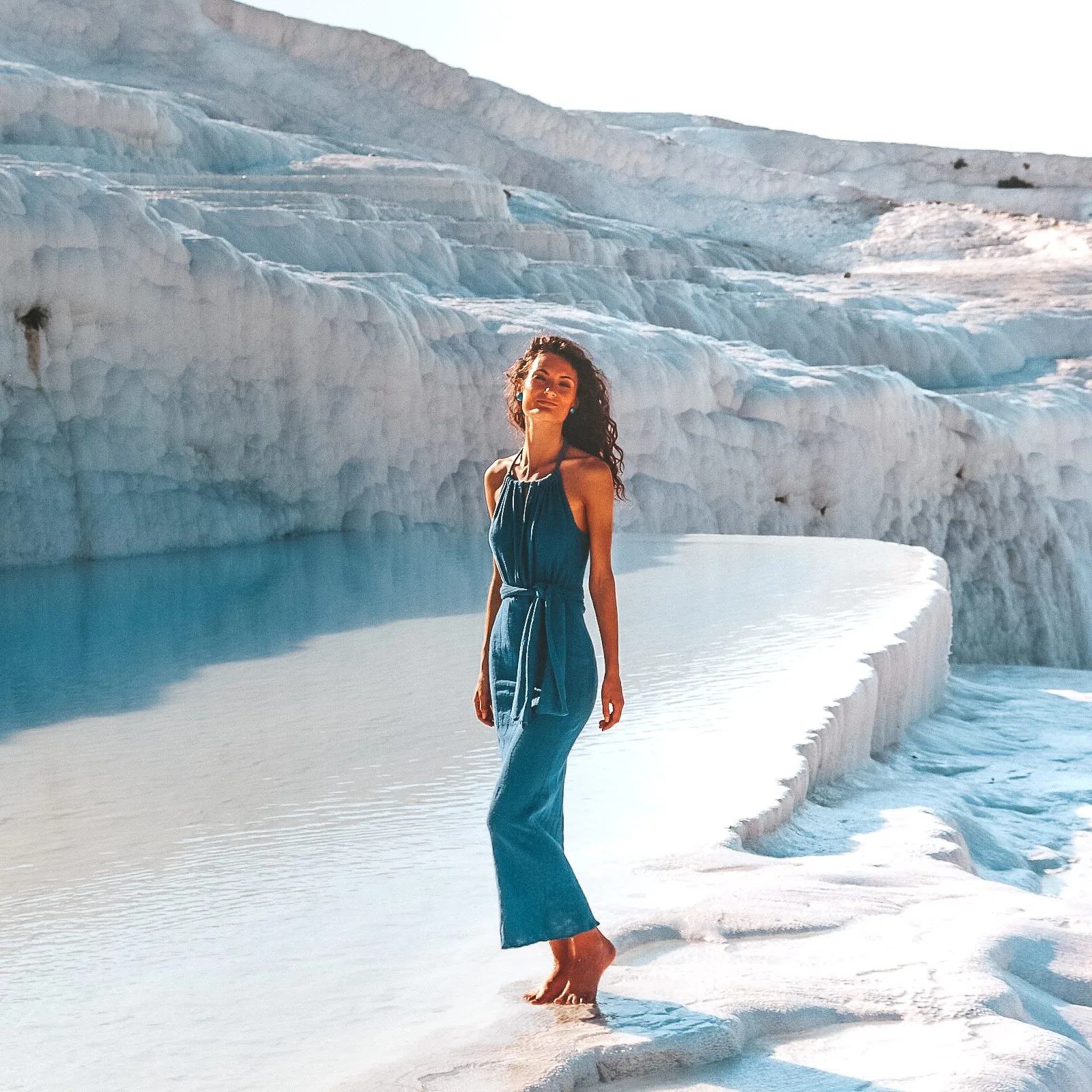
Looking for the best ways to explore? Beyond the city center, Antalya is surrounded by incredible natural wonders and historic sites. Whether you want to witness the “Cotton Castle” of Pamukkale, dive into the sunken city of Kekova, or feel the adrenaline in Koprulu Canyon, there are endless options. For a curated list of our top-rated day trips and local favorites, check out our guide to the 12 best Antalya Excursions!
Frequently Asked Questions About Things to Do in Antalya
Ottoman old town on the Turkish Mediterranean coast. Even a short 90-minute walk through the lanes and down to the Roman harbour is worthwhile.
Two days is enough to cover the old town, museum, beach and waterfalls. Three to four days allows time for a boat trip and a day excursion. Five to seven days is ideal if you’re planning to add Pamukkale or Kekova.
The old town (Kaleiçi), Hadrian’s Gate, Hıdırlık Tower, Konyaaltı Beach, the Upper and Lower Düden Waterfall parks, and the Atatürk Culture Park are all free. The archaeological museum is the only major paid attraction in the city centre.
Konyaaltı is the city’s main beach pebble, clean and close to the centre. Lara is the resort beach — sandy and longer, 15km east. For the most scenic swimming, most visitors take a boat trip: the coves along the cliff coast west of the city have the clearest water.
Yes. The old town is walkable and safe. Public transport is reliable. There are good hostels and mid-range hotels in the Kaleiçi area. Solo travellers commonly join shared boat trips and group tours for day excursions.
Turkish. English is widely spoken in tourist areas — hotels, restaurants in the old town, tour operators. Outside these areas, some Turkish or a translation app is useful.
By European standards, no. Museum entry is €10–12. A meal at a mid-range local restaurant is €8–15 per person. Boat trips from €30/person. Quality beachfront hotels range from €60–200/night depending on standard and season.
Written by the Antalya Daily Tours team — a TURSAB-licensed local agency running tours in Antalya since 2006. Last updated March 2026.