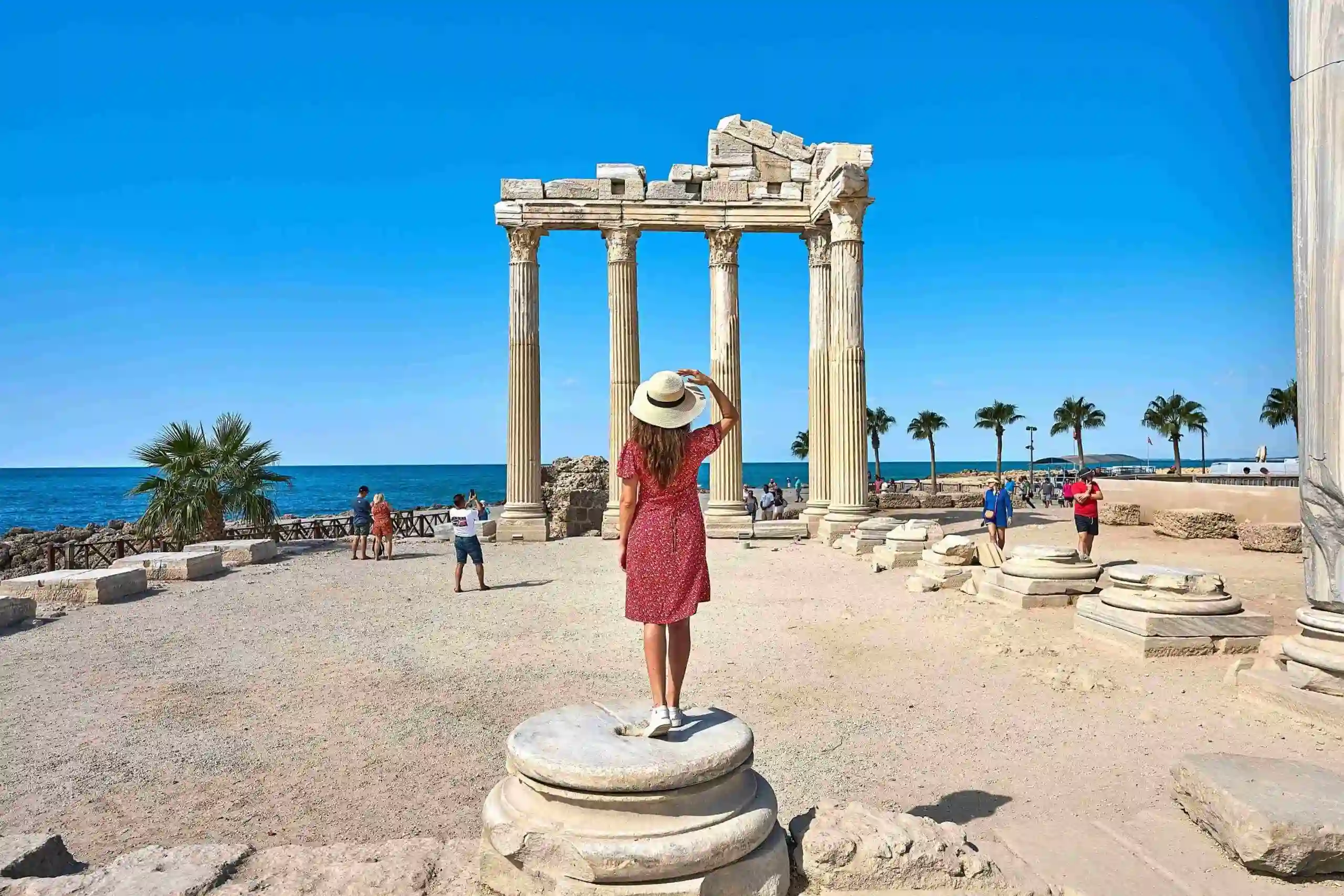
We get this question a lot. And right now, we understand why.
There have been protests in parts of Turkey. The news cycle has been loud. If you have a trip booked and you’re wondering whether to cancel, that’s a completely reasonable thing to ask.
Here is our honest answer as people who actually live and work in Antalya: **the city is safe for tourists.** The resort areas, beaches, and historical sites have not been affected by the unrest that has made headlines. Your holiday is not in danger.
But we know one sentence from a tour company is not what you are looking for. So below, we have broken down the current situation, what official advisories actually say, what to be aware of, and some practical information that will help you feel prepared before you land.
If you are already confident and just looking for [things to do in Antalya](https://www.antalyadailytours.com/things-to-do-antalya/), skip straight to the destination guide.
In this guide:
– Current protest situation in Antalya
– What UK, US, and EU governments say
– Safety for solo female travellers
– Is Antalya safe at night?
– Tourist scams to know about
– Health and food safety
– Emergency contacts
—
Are There Protests in Antalya Right Now?
Turkey has seen demonstrations in some cities, particularly in Istanbul and Ankara. Antalya has been largely unaffected.
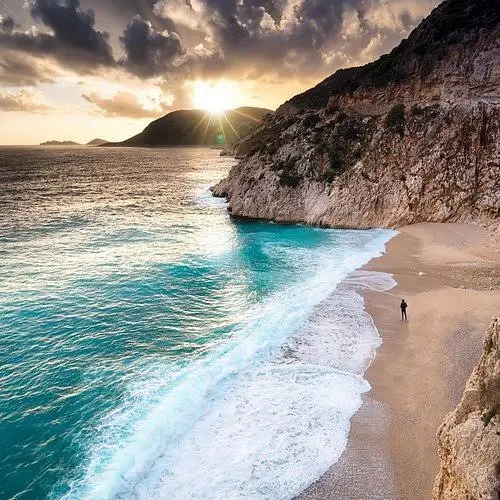
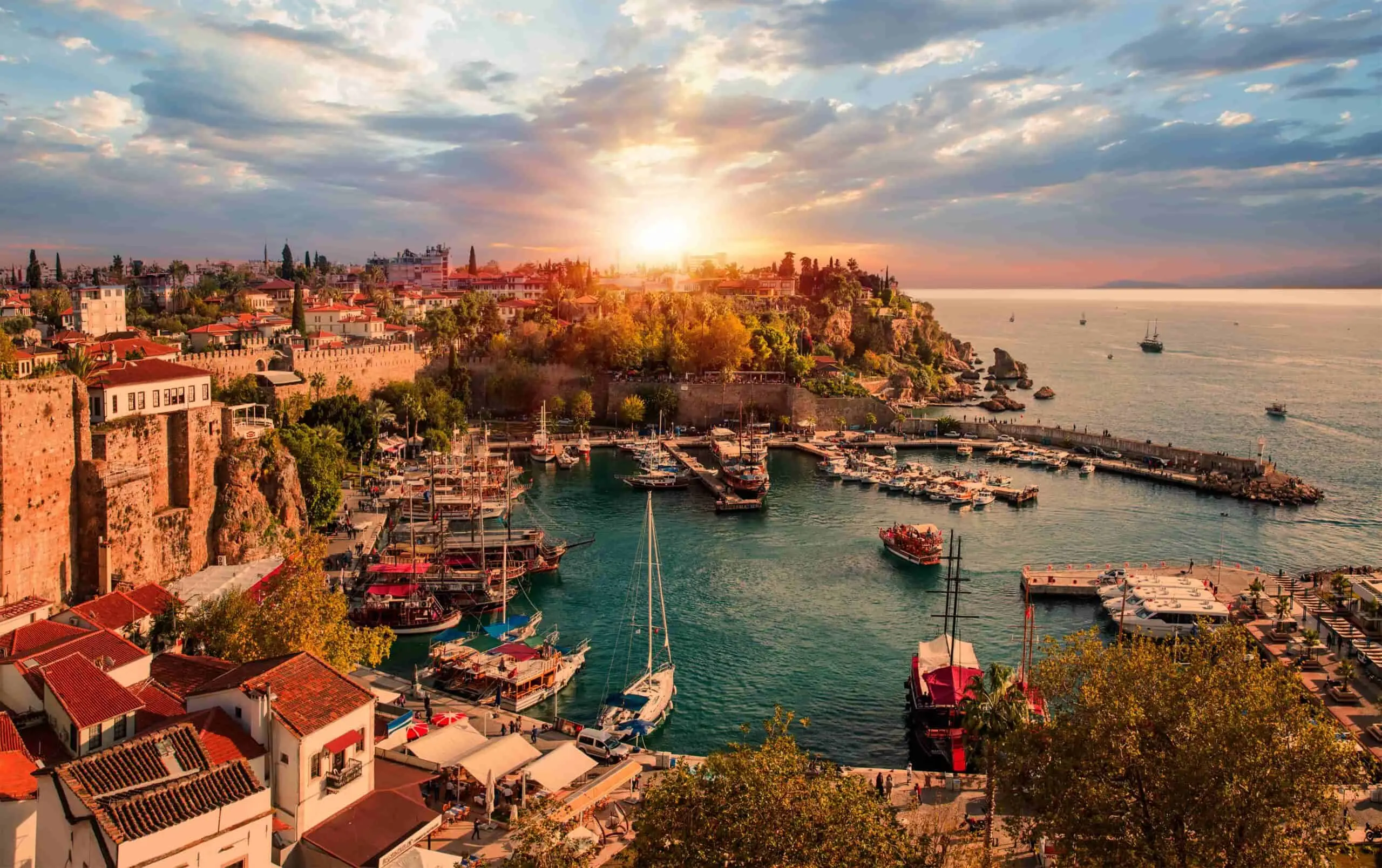
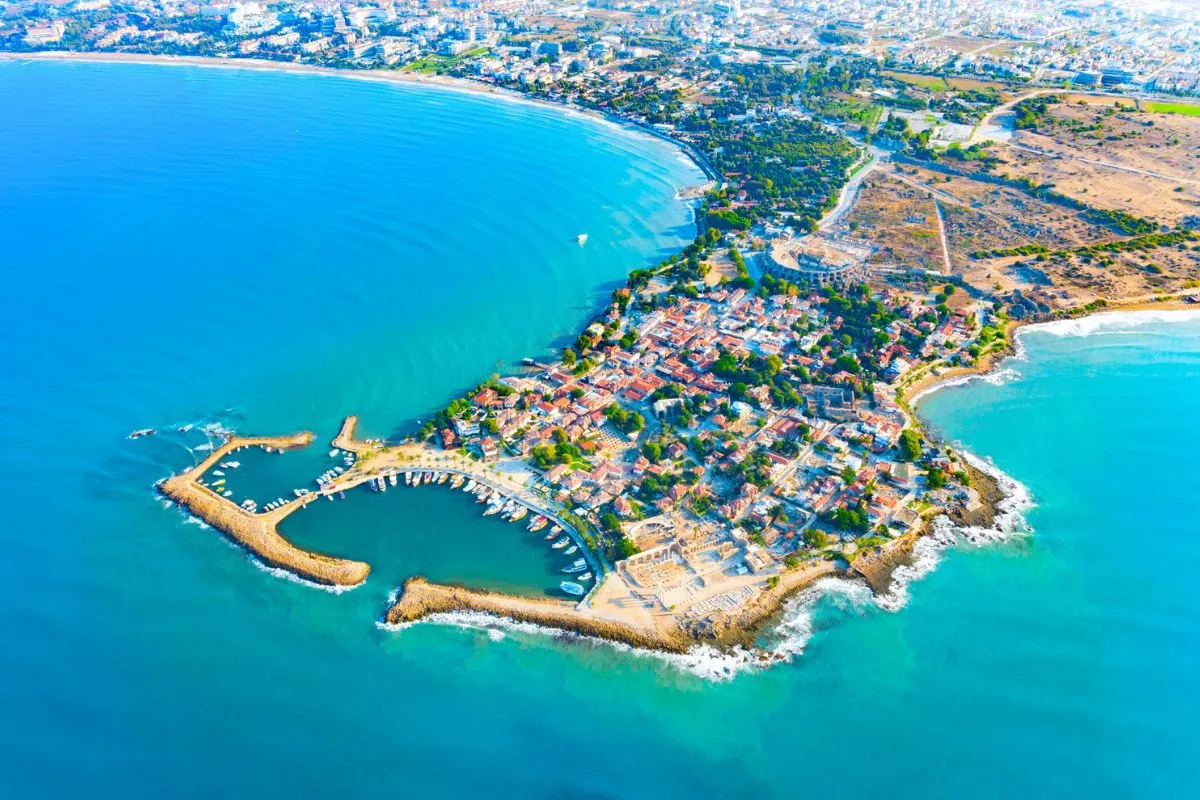
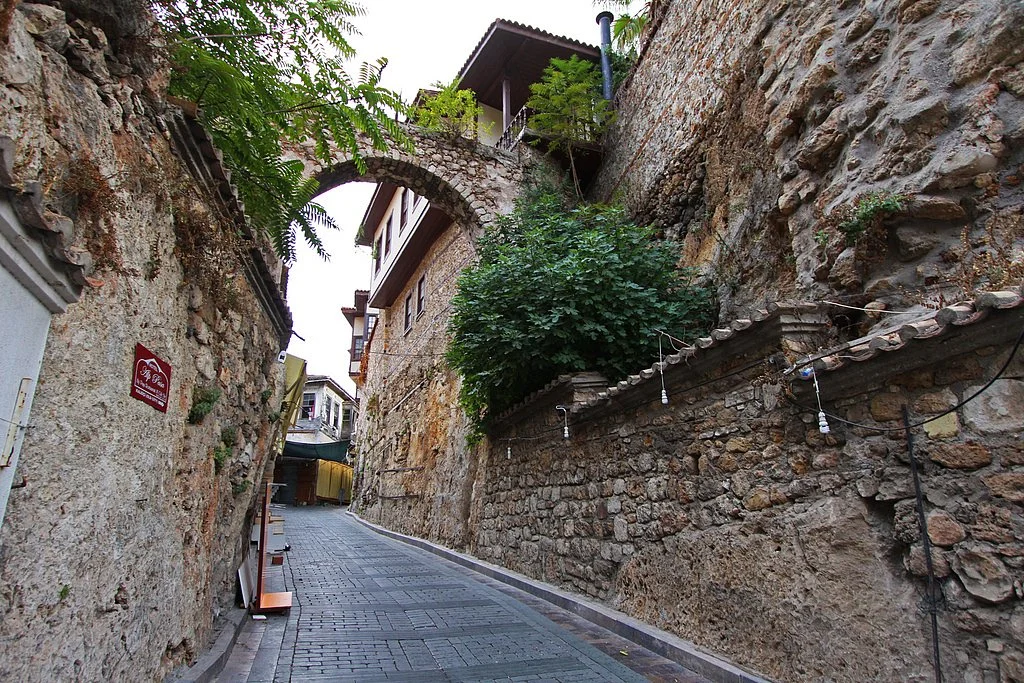
The tourist zones, Lara Beach, Kaleiçi Old Town, Konyaaltı, Belek, and Kemer, have not been disrupted. Daily life in the city continues as normal. Restaurants, markets, hotels, and tour operations are all running without interruption.
If protests do occur locally, they tend to be small, brief, and in non-tourist parts of the city. The practical advice is the same as in any city: avoid large gatherings you happen to come across, and continue with your day.
—
What Do Official Travel Advisories Say?
As of now, none of the major Western governments have issued travel warnings specifically for Antalya or the Turkish Riviera.
– **UK Foreign Office (FCDO)**: Advises normal travel precautions for most of Turkey. No Antalya-specific warning. Check the current FCDO Turkey advice
– **US State Department**: Turkey is rated at standard Level 2 (“Exercise Normal Precautions”). Antalya is not flagged. See the US State Department Turkey page
– **EU member state advisories**: Similar picture. No coastal resort area warnings.
Check your own government’s travel advisory page before you depart, as situations can change. But the current picture is clear: Antalya is not on any restricted list.
—
Is Antalya Safe for Solo Female Travellers?
Yes, and this is something we see a lot of visitors worried about. Antalya is one of Turkey’s most visited tourist cities and has a well-established infrastructure for international visitors.
The resort areas and the historic Kaleiçi district are busy with tourists and well-policed. Solo female travellers walk around them without issue every day.
A few sensible precautions apply, as they would in any unfamiliar city:
– Stick to well-lit streets at night in the old town
– Be aware of persistent attention from vendors in the bazaar areas (easy to decline firmly)
– Keep an eye on your bag in crowded spots
– Save the number of your hotel and a local taxi or transfer service
One of our regular customers, Lena, travels to Antalya from Munich every spring on her own. Her comment last year: “I feel safer walking around Kaleiçi at night than I do in the centre of Frankfurt.”
That is a personal view, not a guarantee. But it is representative of what we hear.
—
Is Antalya Safe at Night?
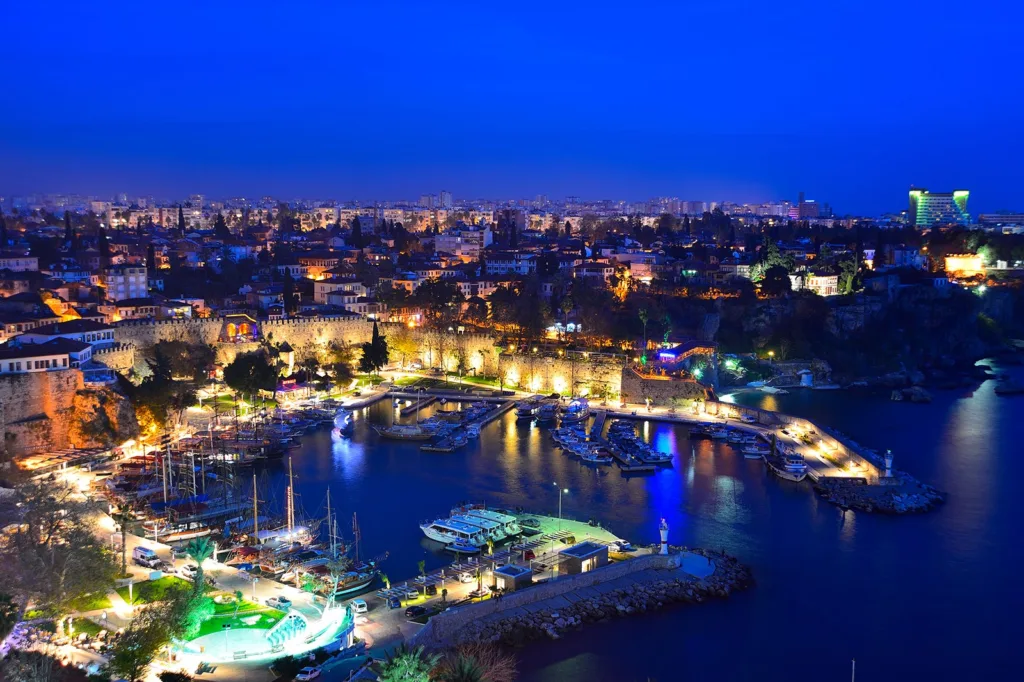
In the resort zones, Lara, Belek, Kemer, and the beach areas, yes. These areas are well-lit, heavily visited, and actively managed by hotel security and local patrols.
Kaleiçi Old Town in the evening is pleasant and walkable. The main streets are busy with restaurant-goers until late.
A few notes:
– Avoid poorly lit back streets in the old town late at night
– Take a licensed taxi or use a hotel transfer rather than walking long distances back to your hotel after midnight
– The areas around bus terminals and the city centre are fine during the day but deserve the usual urban caution at night
—
Common Tourist Scams in Antalya
Antalya is safe. That does not mean it is scam-free. Here is what to know.
The taxi overcharge.
Some unlicensed taxis around the airport and harbour overcharge tourists who do not negotiate upfront. Use hotel transfers or agree on the price before you get in.
The unsolicited “friend.
Someone approaches you, offers to show you around, and the tour ends at a shop where you feel obliged to buy something. Politely decline unsolicited guides.
The currency confusion.
Some shops quote prices that sound low, then show you a receipt in a different denomination. Confirm the currency before handing over money.
The “free” tea invitation.
A carpet shop or souvenir stall invites you in for tea. There is no obligation to buy, but the social pressure can feel intense. It is fine to accept the tea, enjoy it, and leave.
None of these are unique to Antalya, and none of them are dangerous. They are inconveniences. Being aware of them takes most of the risk away.
—
Health and Food Safety in Antalya
Water:
Do not drink tap water in Antalya. This is standard practice across Turkey. Bottled water is widely available and cheap. Restaurants use filtered or bottled water for cooking and ice.
Food:
Antalya has a large, well-regulated restaurant industry that serves millions of tourists every year. Food hygiene standards at tourist-facing restaurants are generally good. The usual advice applies: favour busy restaurants, be cautious about raw seafood from unknown sources, and keep hydrated in summer heat.
Medical care:
Antalya has several well-equipped private hospitals with English-speaking staff. Acıbadem and Medical Park both have facilities near the tourist zones. Travel insurance with medical cover is strongly recommended for all visitors to Turkey.
Sun and heat:
From June through September, temperatures regularly exceed 35°C. Sunstroke and dehydration are the most common medical issues that affect tourists. This is more of a practical warning than a safety concern, but it is worth saying: wear sunscreen, drink water, and plan outdoor activities for the morning rather than midday.
—
Natural Hazards: Wildfires and Earthquakes
Wildfires:
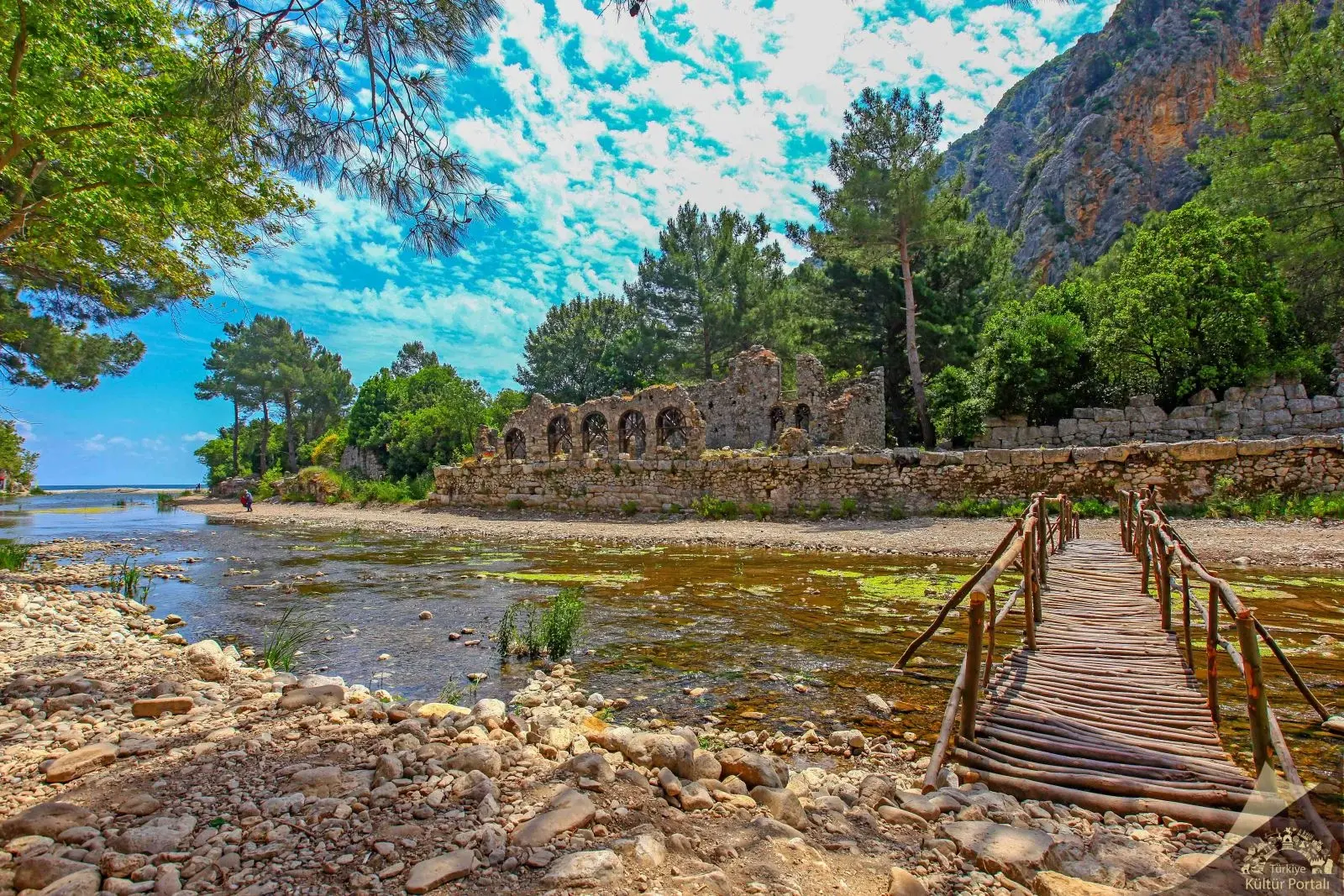
Turkey experiences wildfires in forested areas during summer, particularly August. The Kemer and Olympos coastline areas have been affected in past years. Resort hotels have evacuation procedures. If you are staying in a forested hillside area, know the exits and follow hotel guidance. Antalya city centre and the Lara/Belek resort strip are not typically at risk.
Earthquakes:
Turkey sits on active fault lines. Antalya is not in the highest-risk zone (the major fault lines run further north and east), but minor tremors can occur. Standard earthquake preparedness applies: know where the exits are, do not shelter under doorframes (outdated advice), and move to an open space if a significant tremor happens.
These risks are real but not reasons to avoid the region. Millions of tourists visit Antalya every summer without incident.
—
Emergency Numbers and Useful Contacts
| Service | Number |
|—|—|
| Emergency (all services) | 112 |
| Police | 155 |
| Ambulance | 112 |
| Fire | 110 |
| Tourist Police (Antalya) | +90 242 243 1061 |
Embassies and consulates
(for registration and emergency assistance):
– UK Consulate Antalya: +90 242 244 5313
– US Consulate Adana (nearest to Antalya): +90 322 346 6262
– For emergency consular assistance: contact your embassy in Ankara
Save your hotel’s number and your tour operator’s WhatsApp contact before you leave your accommodation each day. That is the most useful practical step.
—
Should I Cancel My Trip?
No. There is no reason to cancel a trip to Antalya based on the current situation.
Tom and Sarah from Bristol almost did exactly that earlier this year. They had a week booked in Lara Beach and were tracking the news about protests in Istanbul. Two days before departure, they messaged us on WhatsApp asking whether to proceed.
We told them what we are telling you now: the resort areas are calm, tours are running, and the only thing they would lose by cancelling was their holiday.
They came. They did the city tour on day two, went out on a private yacht on day four, and spent the rest of the week on the beach. They messaged us on the way home to say they wished they had booked longer.
That is not a sales pitch. It is just what happened.
—
Planning Your Antalya Visit
If you are looking for things to do once you are here, our [Antalya City Tour] covers the main highlights in a day, Lower Düden Waterfall, a boat trip along the coast, and Kaleiçi Old Town. Hotel pickup is included. You pay on the day of the tour, nothing upfront.
For a broader look at what is available, see our [Antalya tours and excursions] page, or browse our destination guide for things to do in Antalya.
If you have specific questions about the current situation, send us a message on WhatsApp. We are based here. We will give you a straight answer.
—
Quick Safety Summary
– Antalya is safe for tourists
– No UK, US, or EU travel warnings for Antalya or the Turkish Riviera
– Resort areas unaffected by protests elsewhere in Turkey
– Solo female travel is common and generally safe in tourist zones
– Tap water: do not drink it; bottled water is everywhere
– Emergency number: 112
– Travel insurance is strongly recommended
—
*Updated regularly by Antalya Daily Tours, a licensed local tour operator based in Antalya since 2002.*