Most people assume Antalya shuts down in winter. It doesn’t.
The hotels thin out. The beach crowds disappear. The prices drop. And some of the best experiences in the region, the ones that are genuinely hard to enjoy in July because of the sheer number of people doing them, become available on their own terms.
If you’re planning winter activities in Antalya between November and March, here’s what’s actually worth your time.
—
How Is the Weather in Antalya in Winter?
Honest answer: mild, occasionally rainy, rarely cold enough to stop you from doing anything.
Antalya sits on the Mediterranean coast, which keeps its winters significantly warmer than inland Turkey. Daytime temperatures run between 12°C and 18°C from November through February. You will not be sunbathing, but you will not be freezing either.
| Month | Average Low | Average High | Rain Days |
| November | 11°C | 20°C | 7 days |
| December | 8°C | 16°C | 11 days |
| January | 6°C | 14°C | 10 days |
| February | 7°C | 15°C | 9 days |
| March | 9°C | 17°C | 8 days |
Rain comes mainly in December and January. It doesn’t last all day, typical Mediterranean pattern means morning showers, afternoon clear. If you see rain in the forecast, shift outdoor tours to afternoons.
One thing the weather data doesn’t capture: on clear winter days, you can stand on the Olympos Cable Car platform at 2,365 metres and see snow-capped peaks directly above the Mediterranean coastline. That image does not exist in summer.
9 Winter Activities in Antalya Worth Doing
1. Ride the Olympos Cable Car for Snow and Sea Views
This is the one winter activity in Antalya that has no equivalent in summer. The [Antalya Olympos Cable Car] runs year-round, but in winter the Taurus peaks are snow-covered. From the summit, you see both the snow and the blue Mediterranean at the same time.
In summer, the top station is a dusty mountain viewpoint. In winter, it’s one of the more unusual visual experiences you can have in Turkey.
The cable car starts near Kemer, about 45 kilometres west of Antalya. The ride takes approximately 10 minutes each way. You don’t need warm weather gear for the summit, a jacket is enough.
> When a family from Manchester visited in January, they almost skipped the cable car because they assumed it was a “beach activity.” They went anyway, on our recommendation. The father messaged us the next day to say it was the best hour of the trip. Snow on one side, sea on the other. Nothing else in Antalya compares to it in winter.
2. Walk Kaleiçi Old Town Without the Summer Crowds
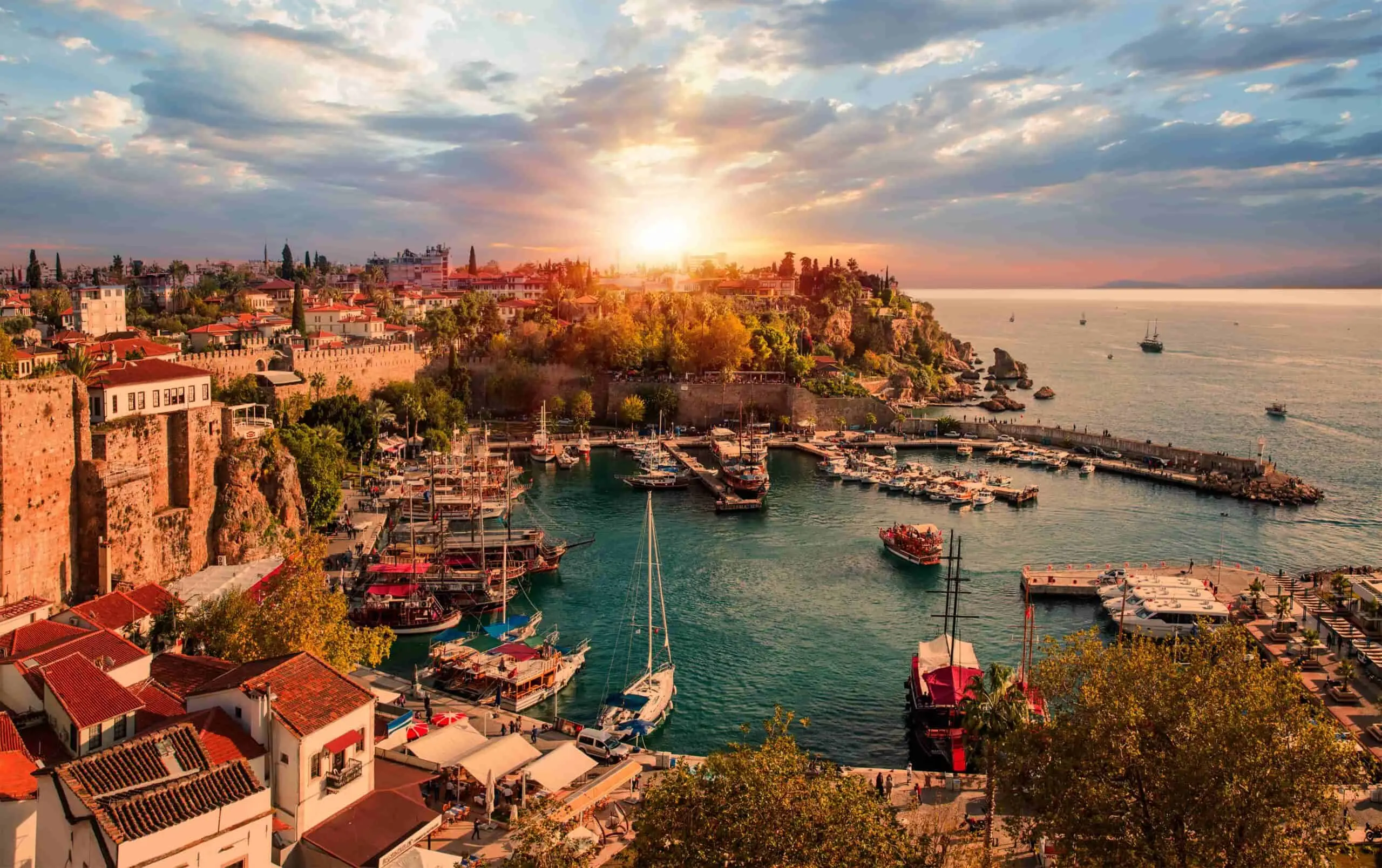
In July, Kaleiçi is packed. The narrow Ottoman streets fill with day-trippers from every direction, the restaurants are full, and you end up moving at the pace of whoever is in front of you.
In December, you have the streets mostly to yourself. The Roman harbour walls, the Hadrian’s Gate, the 2,000-year-old streets, all of it is more accessible and easier to appreciate when you’re not shuffling through shoulder-to-shoulder.
Kaleiçi is free to explore independently. Give it two to three hours. The neighbourhood is compact and walkable. If you want a guide who explains what you’re actually looking at, the [Antalya City Tour with Cable Car] combines Kaleiçi with the Olympos Cable Car in a full day.
3. Take the Demre, Myra and Kekova Day Tour
Kekova is one of the more remarkable places in Turkey, a sunken Lycian city visible through clear water, a 12th-century Byzantine castle on the hillside above, ancient tombs cut into the rock face. In August, the boat lanes around Kekova are busy. In January, you may have the route almost entirely to yourself.
This tour covers three sites in one day: the Church of St Nicholas (the historical basis for Santa Claus) in Demre, the rock-cut Lycian tombs at Myra, and the Kekova sunken city by boat. The drive from Antalya takes about two hours each way, which makes it a long day, but the sites justify it.
The [Demre Myra Kekova tour] is one of the tours that improves most in winter. Less crowd, calmer water, clearer visibility.
4. ATV or Jeep Safari in the Taurus Mountains
Summer temperatures make off-road tours uncomfortable in the Taurus Mountains. Mid-afternoon in July, the dust and heat combine badly. In winter, the cooler temperatures are actually better for this type of activity.
An [ATV tour in Antalya] takes you through trails in the mountains above the city. It’s physical, dusty, and more enjoyable at 14°C than 35°C.
If you want a more immersive off-road experience, the [Jeep Safari to Tazi Canyon] runs year-round as well. Tazi Canyon is a lesser-known but visually dramatic gorge in the mountains east of Antalya, with lunch by the river included.
5. Turkish Hammam
A hammam is always a reasonable idea in Antalya. In winter it is particularly so.
The traditional process, steam room, scrub, foam massage, takes about an hour. The original Antalya hammams in Kaleiçi have been operating for centuries. The water is hot, the marble is warm, and you come out genuinely relaxed.
If you want to book through a package, our [wellness and relaxation tours] include hammam options. If you prefer to go independently, the Balıkpazarı Hamamı in Kaleiçi is one of the most authentic options in the city centre.
6. Antalya Aquarium’s World of Snow
Combined with the aquarium itself (which includes shark tunnels and marine life exhibits), it’s a full half-day for families. Worth knowing: the snow room requires a separate ticket from the aquarium.
Antalya Aquarium is not just an aquarium. It also contains one of the largest indoor snow rooms in the world, approximately 15,000 square metres of artificial snow, with skiing areas, snow houses, and winter-themed structures. It’s open year-round, but it’s the one attraction that feels more logical to visit in winter.
7. Land of Legends Theme Park
Land of Legends is a large entertainment complex between Antalya and Belek. It runs year-round, but winter is when the indoor attractions, rides, shows, covered areas, take priority over the water park.
The winter night show at Land of Legends runs on weekends and is one of the more spectacular productions in the region, theatrical, with live performances, special effects, and lighting.
Families with children find this works particularly well as a winter afternoon-into-evening option.
8. Ski at Saklıkent, Then Swim (Almost) on the Same Day
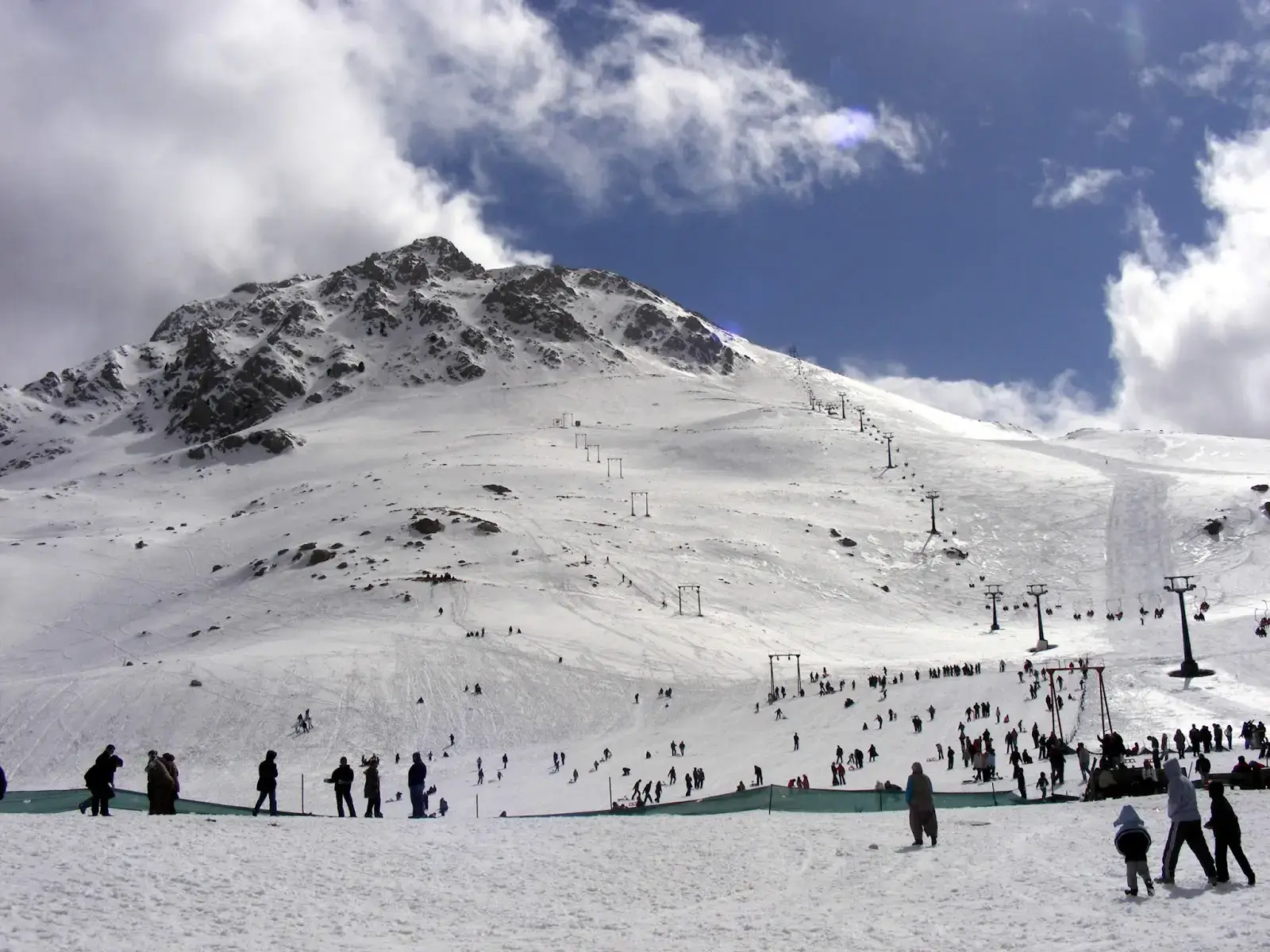
Saklıkent Ski Center is 50 kilometres north of Antalya in the Taurus Mountains, at around 1,750 metres altitude. It typically has skiable snow from December through March.
The combination is unusual: ski in the morning, drive back down to the Mediterranean coast by afternoon. The sea won’t be warm enough for swimming, but you can sit by the water in the afternoon sun and reflect on the fact that you were on skis a few hours earlier. It doesn’t happen in many places.
Saklıkent is accessible by car. It’s not one of our tour routes, so you’d need to hire a vehicle or arrange a [private car from Antalya] for the day.
9. Visit Termessos, Perge, or Aspendos
Three of the best-preserved ancient sites in Turkey are within 50 kilometres of Antalya.
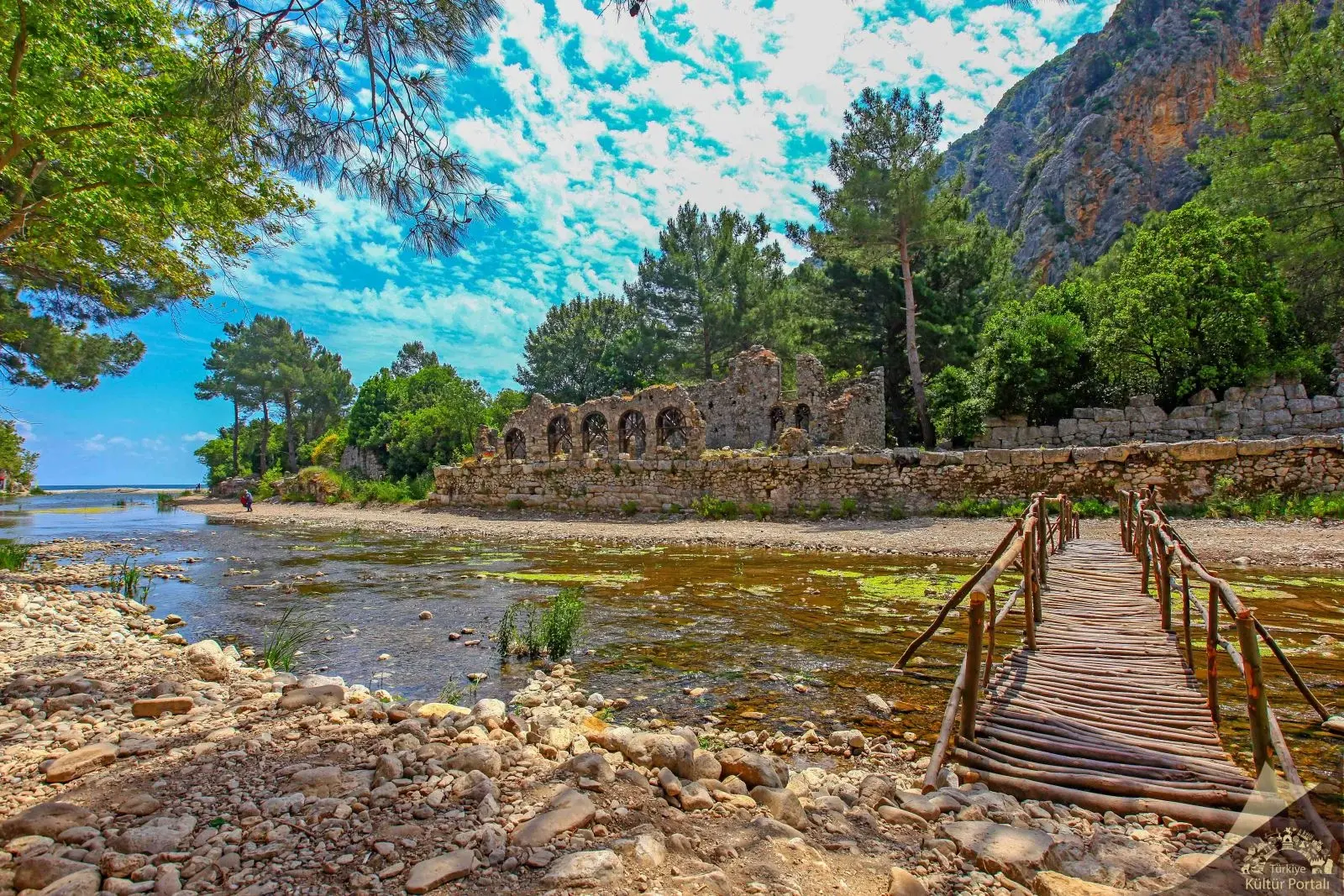
Termessos is the most dramatic, a Pisidian city in the mountains that Alexander the Great decided wasn’t worth the effort of attacking. It’s at altitude, partially ruined, and genuinely wild. The hike to the main theatre takes about 40 minutes each way on an uneven mountain path. Winter is a good time to do it: no heat, no crowds, and the absence of foliage means the ruins are more visible.
Perge and Aspendos are lower-altitude and easier to access. Aspendos contains one of the best-preserved Roman theatres in the world, still used for performances. In winter, you can stand in the centre of the theatre alone.
—
Are There Winter Festivals or Events in Antalya?
Antalya has a cultural season that runs specifically through the colder months.
The **Antalya International Film Festival** (typically October into November) is one of the oldest film festivals in Turkey. The **Antalya State Opera and Ballet** runs its main season from October through May, with performances at the Aspendos Arena and the Antalya Cultural Centre.
There are also smaller craft markets and festivals in December around the old town, less commercialised than equivalent events in Western Europe.
—
Is Antalya Worth Visiting in Winter?
As locals, here’s our honest answer: it depends what you’re looking for.
If you want beach days, a packed resort atmosphere, and warm water, no, winter is the wrong time. The sea temperature drops to around 17°C in January, and the beach hotels are quiet.
If you want to actually see the region, the ancient sites, the mountains, the coast without 200,000 other tourists, winter is genuinely one of the better times to be here. Hotels are cheaper. Restaurants have space. The queues at Kaleiçi and Kekova are non-existent.
> A couple from Germany arrived in February expecting a quiet break, not expecting much. By the third day they’d done the cable car, Kekova, and Kaleiçi Old Town with no queues at any of them. The wife sent a message that read: “We’ve been to Antalya three times in summer. We should have come in winter years ago.” It’s a common reaction.
Browse our full list of [things to do in Antalya]( year-round, that run through winter.
—
## What to Pack for Antalya in Winter
Keep it simple. You don’t need a heavy coat.
**Useful:**
– A mid-weight jacket (14°C days feel cool in the wind)
– Layers, mornings and evenings are cooler than midday
– Comfortable walking shoes for Kaleiçi and ruins
– Rain jacket for December and January
– Warmer gear if you’re doing Saklıkent or Termessos (altitude adds a significant chill)
**Leave behind:**
– Heavy winter clothing, it’s coastal Mediterranean, not Cappadocia
– Sunscreen (you won’t need it, though a lip balm in the mountains helps)
—
Frequently Asked Questions
November and March are the most reliable. Less rain than December and January, warmer temperatures, and many of the same crowd advantages. March in particular sees spring starting, the mountains begin to green up and the ruins look their best.
Technically yes, but the sea is around 17°C in January. That’s cold enough to discourage most people. The Olympos Cable Car and thermal experiences at Pamukkale (day trip) are better winter water-related options.
Most ADT tours run at the same price year-round. You pay on the tour day, no upfront payment. Hotel pickup from Lara, Belek, Kemer and surrounding areas is included.
Boat parties, water parks, beach club days. These are summer activities and they either don’t run in winter or operate on limited schedules that aren’t worth it.