The honest answer is: it depends what you’re coming for.
If beach days and warm water are the priority, July and August are the obvious choice. If you want to see the archaeological sites, do boat trips, and walk around Kaleiçi without shuffling through crowds in 38°C heat, April, May, or October are significantly better.
We’re a local tour operator based in Antalya. We run tours year-round and see the city across all seasons. Here’s what we’d actually tell a friend planning a trip.
Antalya Weather at a Glance
| Month | Avg High | Avg Low | Sea Temp | Rain Days | Crowds |
| January | 13°C | 5°C | 17°C | 10 | Very Low |
| February | 14°C | 6°C | 16°C | 9 | Very Low |
| March | 17°C | 8°C | 17°C | 8 | Low |
| April | 21°C | 12°C | 18°C | 5 | Low-Medium |
| May | 26°C | 16°C | 21°C | 3 | Medium |
| June | 31°C | 21°C | 24°C | 1 | High |
| July | 35°C | 25°C | 27°C | 0 | Very High |
| August | 35°C | 25°C | 28°C | 0 | Very High |
| September | 31°C | 21°C | 27°C | 1 | High |
| October | 25°C | 16°C | 24°C | 4 | Medium |
| November | 19°C | 11°C | 21°C | 7 | Low |
| December | 14°C | 7°C | 18°C | 10 | Very Low |
Antalya has a classic Mediterranean climate. Summers are hot and dry, winters are mild and occasionally rainy. Snow in the city is rare. The Taurus Mountains behind Antalya are snow-covered from December through March, visible from the coast on clear days.
—
Best Time to Visit Antalya for Beach and Swimming
**Peak season: June to September**
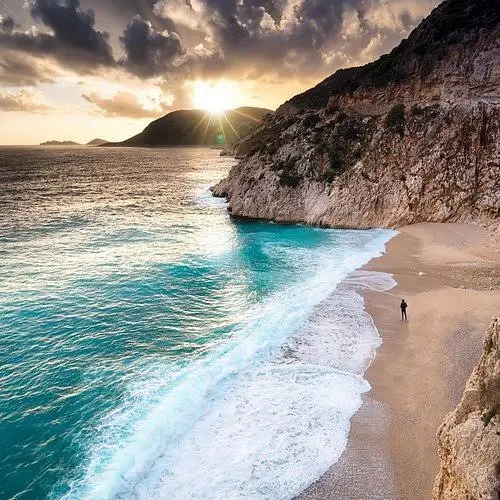
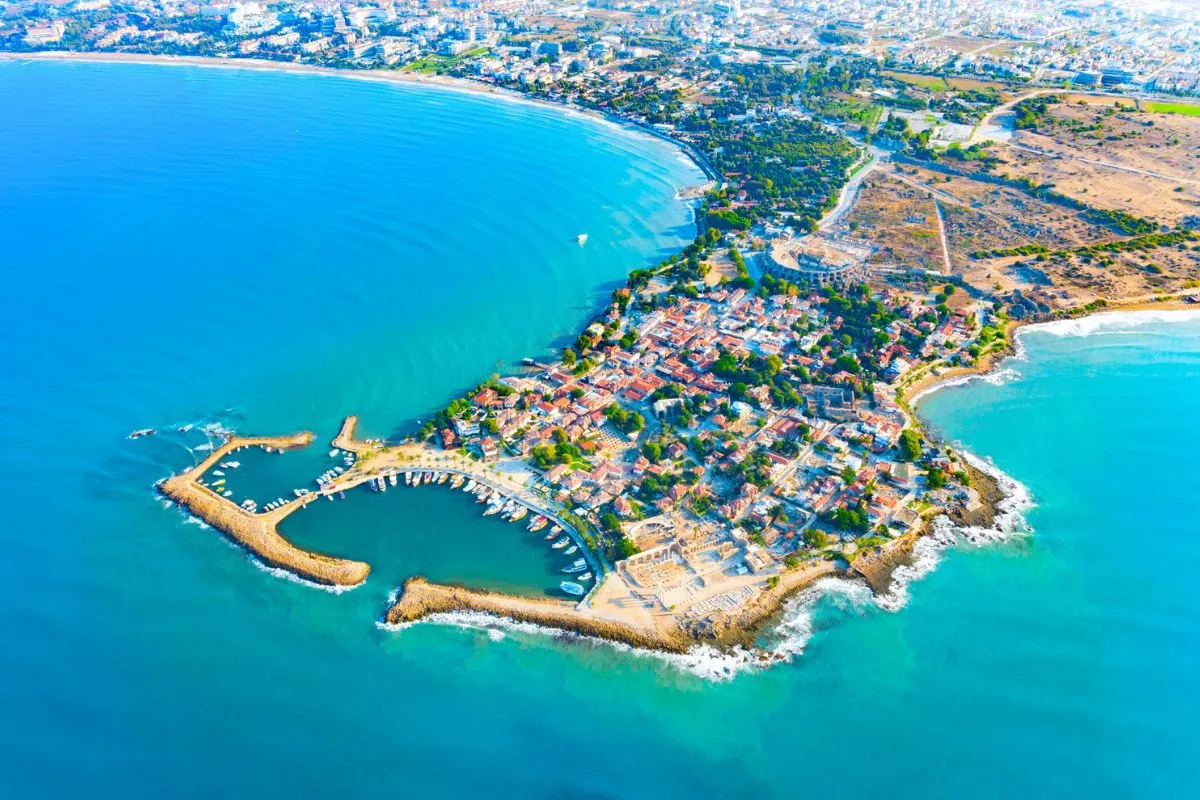
Sea temperatures reach 27-28°C in July and August. These are the months when beach conditions are optimal and the resort areas are fully operational. Lara Beach, Konyaalti, and the smaller coves around Kemer and Side are at their best.
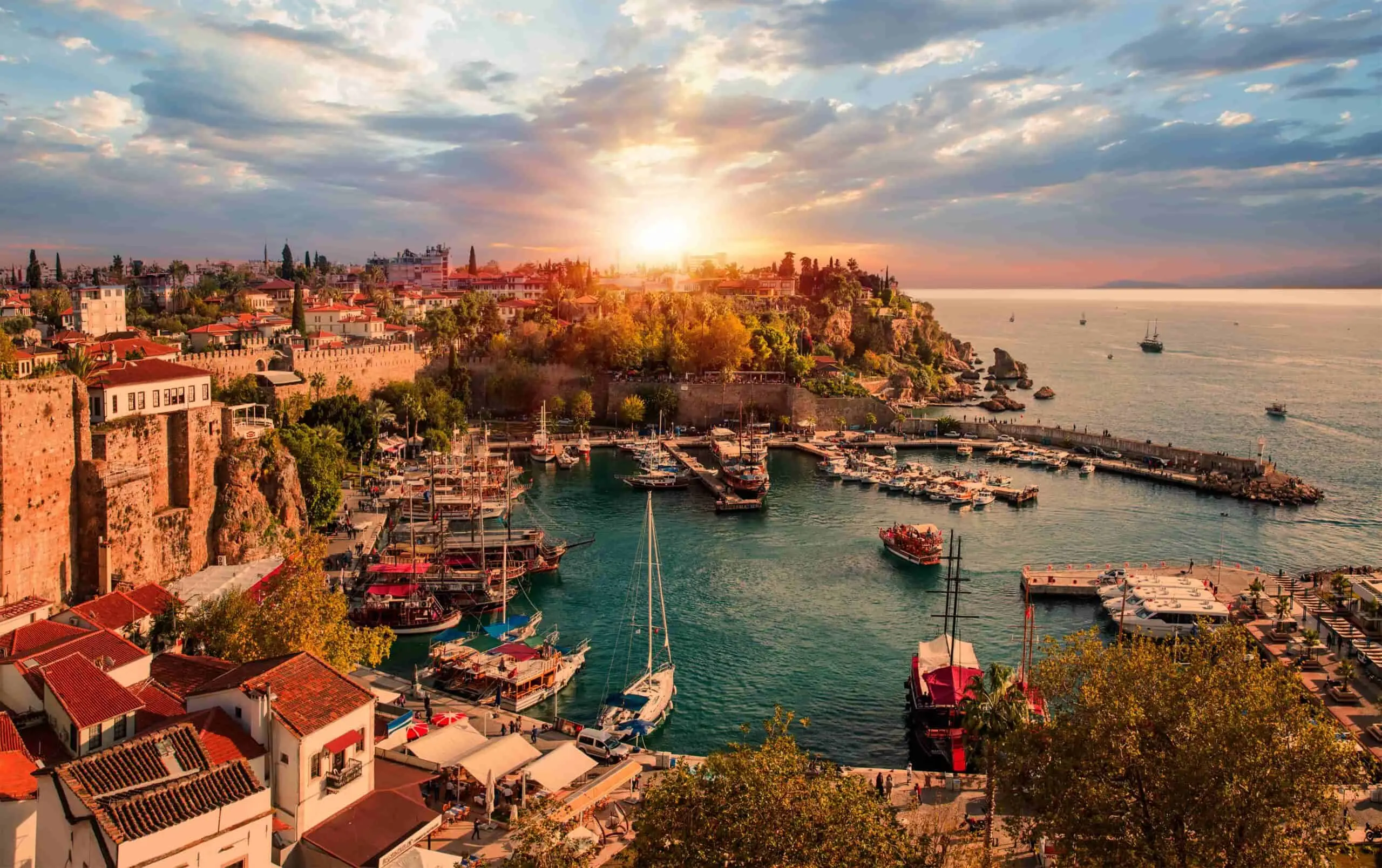
The trade-off is heat and crowds. Central Antalya in July is hot. Walking around Kaleiçi at midday in August is uncomfortable. If beach time is your main goal and you can handle the heat, July and August deliver what you’re looking for.
**Best compromise: June or September**
Both months have warm sea temperatures (24-27°C), significantly fewer visitors than peak, and more manageable daytime temperatures for any activity beyond lying on a beach. September in particular often has excellent conditions, warm, clear, and noticeably quieter after August.
—
Best Time to Visit Antalya for Sightseeing and Tours
**Best months: April, May, October**
These three months are the best window for anyone whose itinerary includes day trips, historical sites, or boat tours.
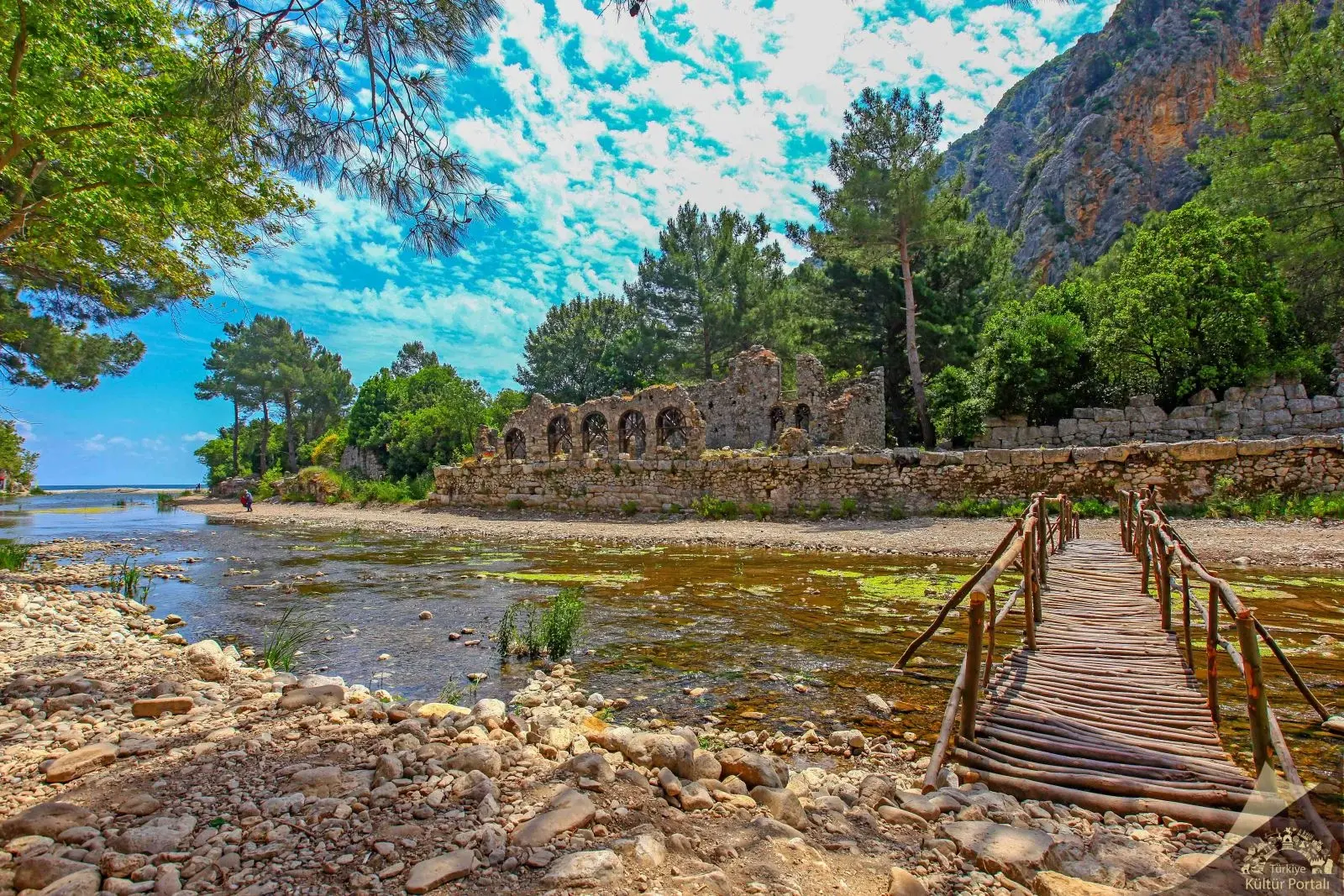
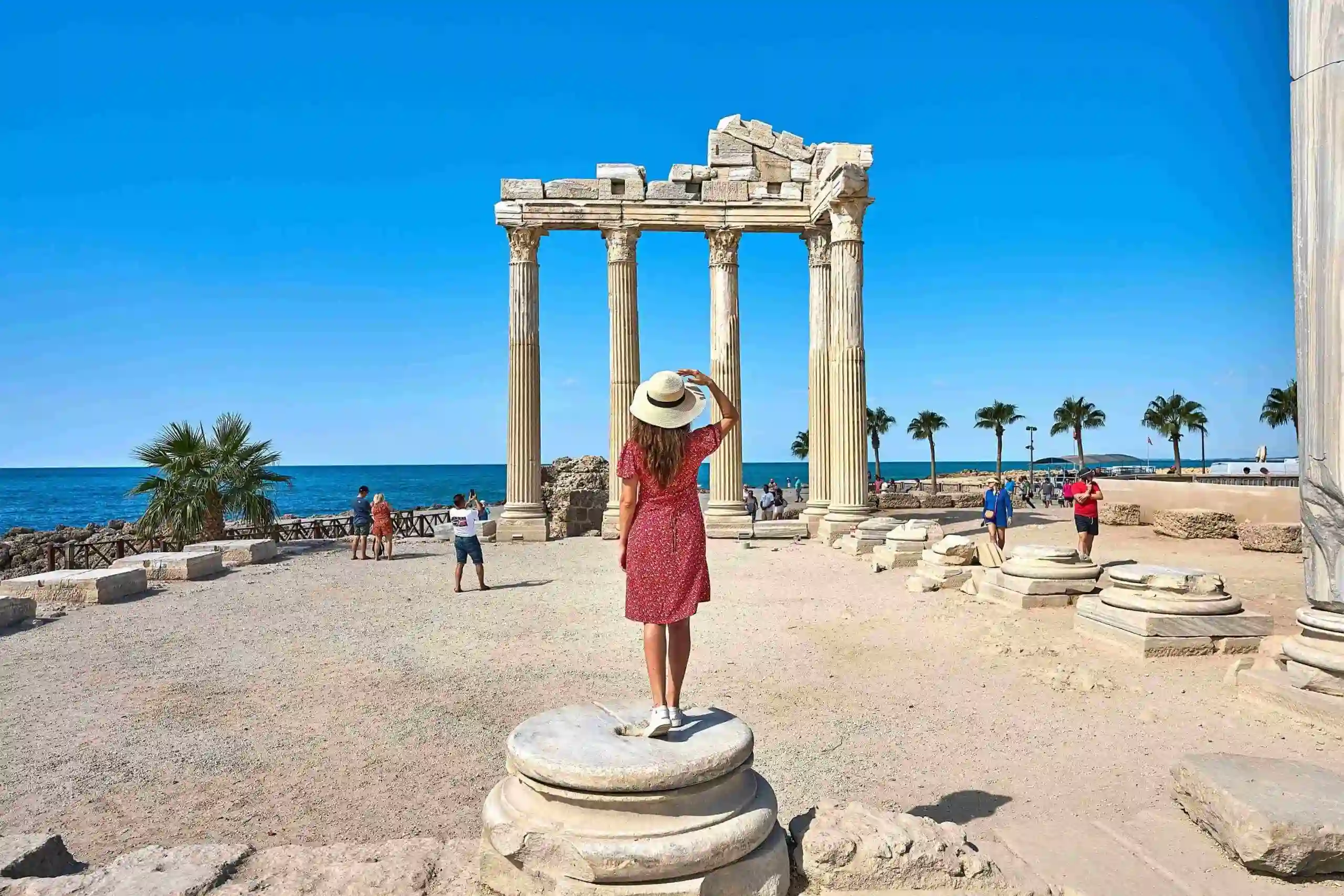
In April and May, the archaeological sites are uncrowded, the drive to Pamukkale or Kekova is cooler, and walking around Myra or Hierapolis at midday is comfortable rather than exhausting. The landscape is green. Boat tours operate fully.
October brings similar advantages. Summer visitors have gone, temperatures are warm but not punishing, and tours run with smaller groups. The sea is still warm enough for swimming on boat trips (24°C).
Our [Antalya City Tour], [Demre Myra Kekova tour], and [Pamukkale tour] all run year-round, but April-May and October are the most comfortable months to do them.
—
Best Time to Visit Antalya for Budget Travellers
**Best months: November to March (excluding public holidays)**
Hotel prices in Lara and Belek drop significantly in winter. Many large resort hotels move to low-season pricing from November through March. If you’re staying in a resort area and want a quieter, cheaper trip where the focus is on food, history, and shorter day trips, winter works well.
What’s still open in winter: Kaleiçi, all major archaeological sites, the Olympos Cable Car (and with snow on the peaks, it’s more impressive than in summer), most restaurants, and most of our tour routes.
What’s reduced or closed: water parks, beach clubs, party boats, some seasonal restaurants in smaller coastal villages.
March is often the best budget month with improving weather. The city starts warming up, almond trees are in bloom in the mountains, and prices haven’t yet shifted to spring rates.
—
Month-by-Month Breakdown
**January & February:** The quietest months. Mild by Turkish standards (13-14°C daytime) but too cool for beach tourism. Good for city exploration, the Archaeological Museum, Kaleiçi walks, and winter day trips. The cable car at Olympos gives snow views above the Mediterranean. Hotel prices at their lowest.
**March:** Transition month. Weather improves week by week. Occasional rain early in the month, clearer toward the end. Good for sightseeing day trips. A reasonable choice for budget-focused visitors.
**April:** One of the best months overall. Temperatures comfortable for any activity (21°C average high). Sea still cool for swimming (18°C) but boat tours are pleasant. Crowds light. Landscapes green.
**May:** Very good conditions across the board. Warmer than April, sea temperature rising (21°C). All tours fully operational. Some increase in visitors but nothing close to summer volumes.
**June:** Summer begins. Hot (31°C), beach season opens properly. Sea at 24°C. Crowds build toward the end of the month. A good middle option if you want both beach time and manageable sightseeing conditions.
**July & August:** Peak season. Maximum crowds, maximum heat (35°C), maximum prices. The beach and water are at their best. Sightseeing is best done early morning. Day trips to Pamukkale or Kekova in the heat of summer require stamina. If beach holidays are the priority, these months deliver.
**September:** Often underrated. Sea still warm (27°C), temperatures begin to ease in the second half of the month. Summer crowds thin noticeably after the first week. One of the best months for combining beach time with day trips.
**October:** Strong choice for sightseeing-focused trips. Warm but not hot (25°C). Sea at 24°C, still swimmable on boat tours. Low crowds. All major tours operating. Good value on accommodation.
**November:** Cooling down. Occasional rain. Sea at 21°C. Quieter than any other shoulder month. Works for visitors focused on historical sites and city exploration rather than beaches.
**December:** Winter begins properly. Rain possible. A different kind of Antalya trip, the Christmas markets in Kaleiçi are small but genuine, the restaurants are quiet, and the mountains above the city are beginning to snow.
—
When to Avoid Antalya
There’s no month where Antalya is genuinely bad. But there are periods worth knowing about.
**Turkish national holidays** (particularly the nine-day Kurban Bayram and Ramazan Bayram breaks) bring large numbers of domestic tourists to Antalya. Hotels and restaurants fill up, Kaleiçi gets crowded, and prices spike. These dates shift each year, check the Turkish holiday calendar before booking if this matters to you.
**Late July and August** are the peak of peak season. If you want a quieter experience and have flexibility, arriving in June or September gives similar weather with considerably fewer people.
Frequently Asked Questions
April, May, and October are the best all-round months. Comfortable temperatures for sightseeing, fully operational tours, and significantly fewer crowds than summer. For beach holidays, June and September offer a better balance of warm sea temperatures and manageable visitor numbers than peak July and August.
Yes, for the right kind of trip. Kaleiçi, the archaeological sites, the Olympos Cable Car, and most tour routes run year-round. Hotel prices are at their lowest. What’s missing in winter is beach tourism and the full resort atmosphere. If you’re interested in history, culture, and day trips, winter is a viable option.
July and August average highs of 35°C. It can feel hotter in the city due to reflected heat from stone surfaces. Early morning (before 10:00) and late afternoon (after 17:00) are the most comfortable times for any activity that isn’t beach or pool-based.
October is one of the most underrated months to visit. The sea is still at 24°C, temperatures are comfortable for walking and day trips, crowds have thinned significantly after August, and accommodation prices have dropped. For anyone whose priority is touring rather than beach holidays, October is arguably the best month.
It depends on the month. For summer: light clothing, swimwear, strong sunscreen. For April, May, October: layers, mornings and evenings are cool, midday warm. For winter: a mid-weight jacket and rain jacket, comfortable walking shoes. Year-round: comfortable footwear for the stone streets of Kaleiçi.